
Why Jeff Kent Is a Hall of Famer
If you’re a busy fan who vaguely knows Jeff Kent as that grumpy second baseman who hit behind Bonds, the news that he’s now a Hall of Famer might surprise you at face value
Here’s the quick version:
Jeff Kent is in Cooperstown because he hit like a middle-of-the-order first baseman while playing second, did it for a decade straight, and basically rewrote the offensive record book for his position.
Let’s unpack that in normal-person terms.
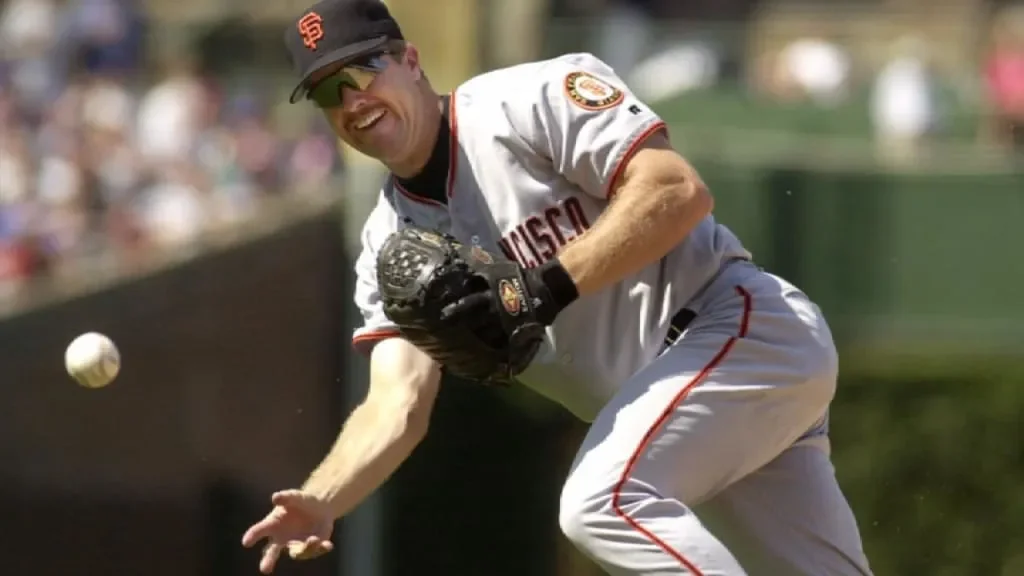
Jeff Kent | MLB.com
1. First, the headline: yes, he’s officially in
The Contemporary Baseball Era Players Committee met at the Winter Meetings in Orlando and elected Jeff Kent to the Hall of Fame for the Class of 2026. He received 14 of 16 votes (87.5%), clearing the 75% bar and standing as the only player elected from the eight-man ballot (which also included Barry Bonds, Roger Clemens, Carlos Delgado, Don Mattingly, Dale Murphy, Gary Sheffield and Fernando Valenzuela).
Kent had spent 10 years on the writers’ ballot without getting close to 75%, topping out at 46.5% before aging off in 2023.
So what did the committee see that the writers didn’t fully buy?
2. The raw numbers: a middle-of-the-order bat at a middle-infield position
Over 17 seasons (1992–2008), Jeff Kent hit:
.290 / .356 / .500 slash line
2,461 hits
377 home runs
1,518 RBI
560 doubles
For a second baseman, those numbers are wild.
Among players who primarily played second base, Kent is:
1st in home runs – 377 total, 351 as a second baseman, the most ever at the position.
3rd in RBI at the position (1,518).
2nd in slugging percentage (.500) among second basemen with substantial careers, behind only Rogers Hornsby.
He also stacked up the hardware:
2000 NL MVP with the Giants
5× All-Star
4× Silver Slugger at second base
If you strip away the position and just look at the bat, you see a career line that looks a lot like several Hall-level sluggers. The trick is remembering he did that while playing second base, historically a defense-first spot.
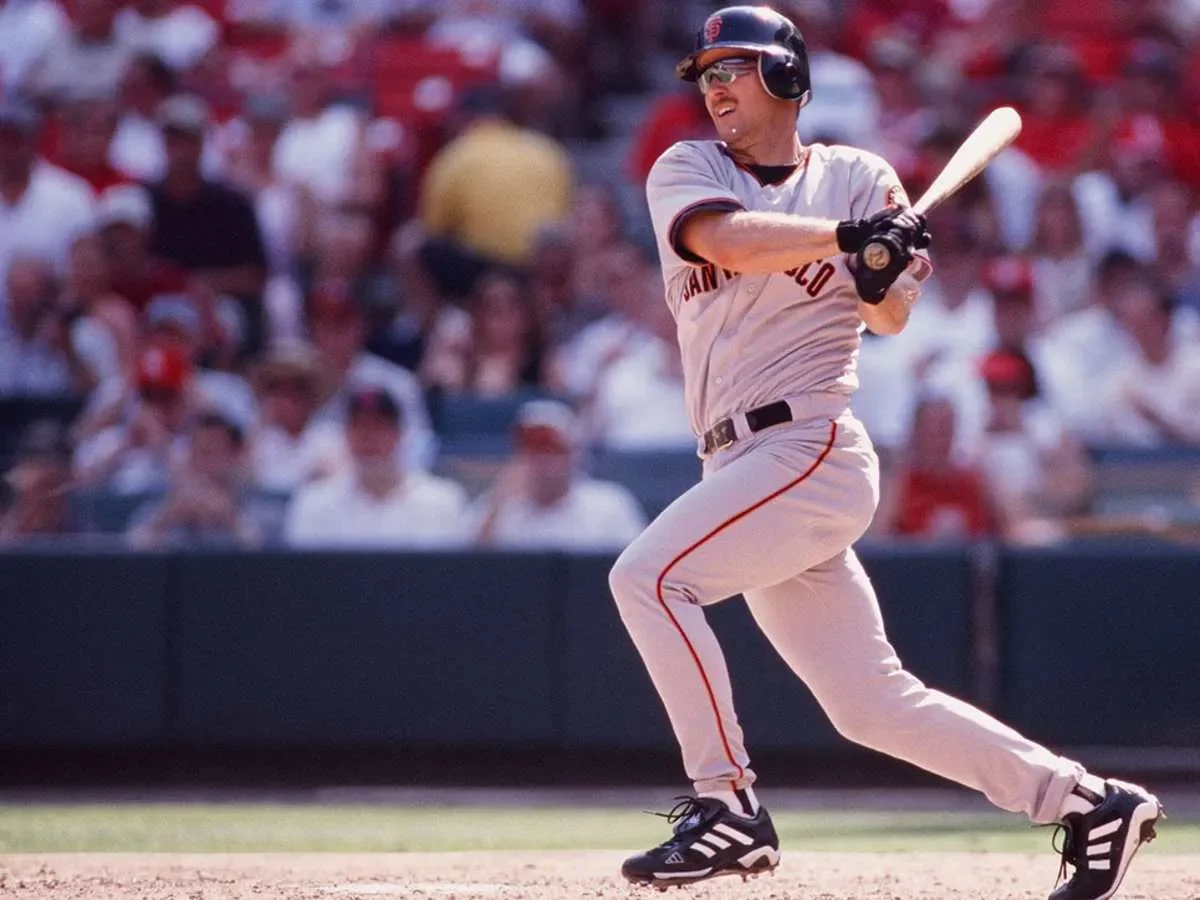
Jeff Kent | Sports Illustrated
3. The run-production machine: 1997–2005
The easiest way to understand Kent’s value is his prime run from age 29 to 37:
From 1997–2005, he averaged .295 with 29 HR and 110 RBI per season.
He drove in 90+ runs nine years in a row.
He had 12 seasons with 20+ homers and eight seasons with 100+ RBI.
That kind of consistent middle-order production is rare anywhere on the field. At second base, it’s basically unheard of.
If you grew up watching the late-’90s and early-2000s Giants, you remember the routine:
Barry Bonds got on base or was walked intentionally.
Jeff Kent came up and actually knocked in the runs.
From 1997–2002 in San Francisco, Kent hit .297/.368/.535 with 175 homers and more than 100 RBI every year.
That’s how he ended up beating Bonds himself for the 2000 NL MVP: 33 HR, 125 RBI, .334 average, and a boatload of big hits in leverage spots.
4. “But his WAR isn’t elite” – the analytics pushback, simplified
If you’ve seen some stat-head arguments against Kent, they usually boil down to:
His WAR (55.4) and JAWS ranks put him below the average Hall of Fame second baseman.
Defensive metrics rate him as below average in the field, which drags those totals down.
All of that is true.
So how did a modern committee, full of people who absolutely know those numbers, still vote him in?
Here’s the simplest way to reconcile it:
WAR and JAWS are great tools, not commandments.
They’re imperfect at capturing:Positional scarcity in certain eras
Run-production concentration (being the main RBI engine on a contending team)
The “cost” of moving a big bat off a premium position
Kent’s bat is just too far above the positional bar to ignore.
When you’re the all-time home-run leader at your position, top-three in RBI, and second in slugging, at some point the scale tips.Second base is under-represented in Cooperstown.
There simply aren’t that many offensive monsters who played there. When one shows up and stays there for 17 years, he’s inherently more valuable than the same bat would be in left field.
Think of it like this: if Jeff Kent had put up this exact offensive line as a first baseman, he’d be a borderline guy. As a second baseman, he’s a strong yes.
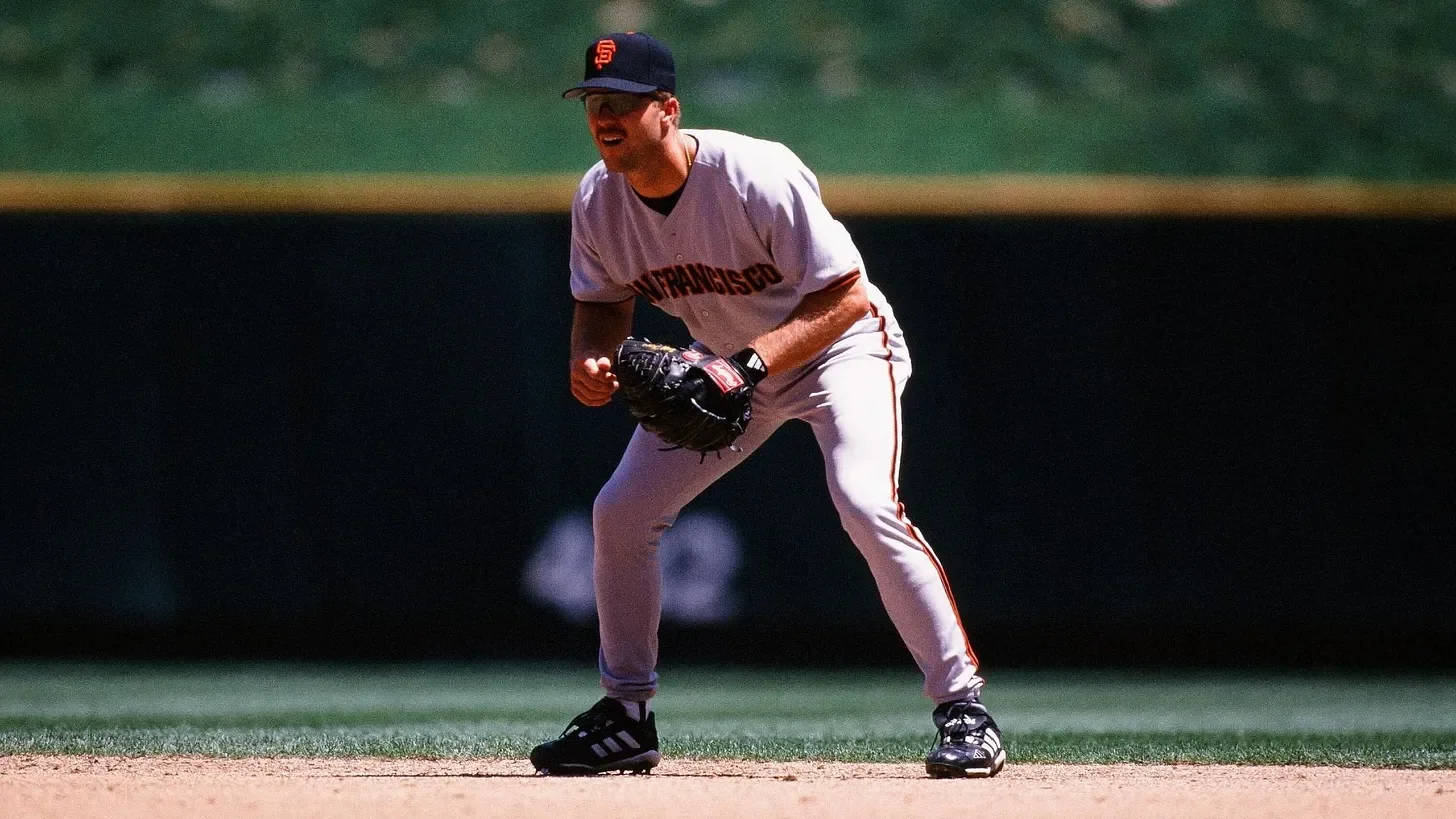
Jeff Kent | The Sporting News
5. Postseason and big-stage value
Kent didn’t just rack up numbers in the middle of August.
In 49 postseason games, he hit:
.276/.340/.500
9 homers, 23 RBI
He had big moments for multiple contenders:
Giants’ 2002 pennant run
Astros’ 2004 and 2005 playoff teams (including a walk-off three-run shot in the 2004 NLCS)
No one is saying he’s Mr. October, but when your middle-order second baseman hits like that in October on top of his regular-season work, it strengthens the case that the bat played on the biggest stages.
6. Why it took the Era Committee to do this
So if the case is that strong, why did Kent need a committee to rescue him?
A few factors worked against him with BBWAA voters:
Defense and aesthetics
He wasn’t a flashy defender; advanced metrics grade him below average. For a lot of voters, “hit like a first baseman, field like a second baseman” didn’t scream automatic Hall.Era noise
Kent played offense in the height of the late-’90s/early-2000s run environment. When everyone is hitting, it’s easy to mentally lump him in with other strong bats, even though his production at his position was historic.Personality & perception
Fair or not, he had a reputation as prickly with media and teammates. Writers are human; that stuff can freeze a borderline candidacy in place.
The Contemporary Era committee, on the other hand, is:
Smaller (16 people)
More willing to weigh positional history, multi-team impact, and awards
Not subject to the “only ten names per ballot” crunch that squeezed the writers for years
Those 16 people just looked at a guy who:
Has record-setting offense for his position
Won an MVP, four Silver Sluggers, and made five All-Star teams
Anchored the middle of contenders’ lineups for nearly a decade
…and said, “Yeah, that belongs in Cooperstown.”
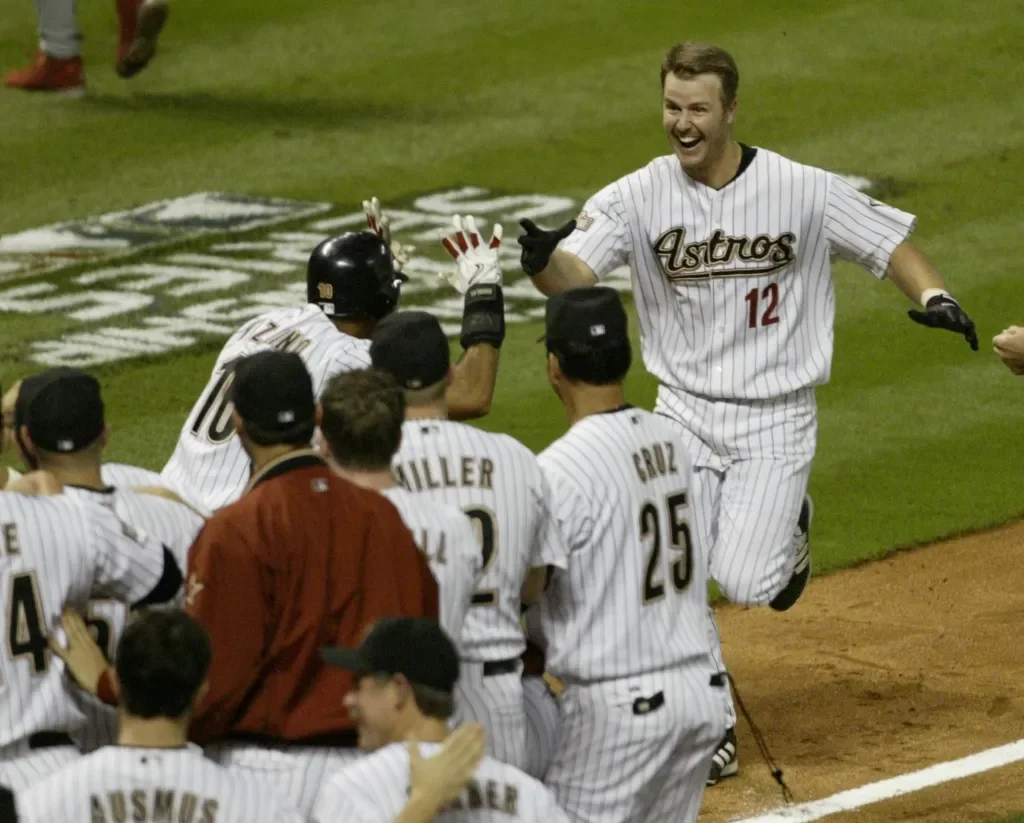
Jeff Kent | Houston Chronicle
7. The busy-fan verdict
If you want a one-liner you can use in group chats or at the office:
Jeff Kent is a Hall of Famer because he’s the most productive run-producer at second base in MLB history.
He hit like a cleanup hitter at a position where teams usually settle for defense, and he did it for nearly a decade straight.
Even in an era when we’re smarter about defense and context, sometimes the simplest rule still works:
If you completely rewrite the offensive record book for your position and carry contenders while doing it, you end up in Cooperstown.