
Why 2026 Will Feel Different: Baseball’s Next Big Shift Is Already Underway
The last week of December always has that familiar baseball hum: front offices still calling, agents still working, fans still refreshing, even as the calendar tells us we’re between seasons.
But as the calendar flips, this year feels different, because 2026 isn’t just another baseball season. It’s a convergence year. Where the sport’s next era shows up all at once: a global mega-event, a significant rule change, a reshaped TV/streaming ecosystem, a franchise literally playing between cities, and a labor deadline quietly looming over everything like a storm cloud.
If 2025 was the year baseball stabilized into its new pace-of-play identity, 2026 is the year baseball starts to look and feel like the next version of itself.
The World Baseball Classic will make March feel like October
Baseball in spring is a warm-up. For many players, 2026 won’t be.
The World Baseball Classic begins March 5 (opening game at the Tokyo Dome) and runs through March 17, with pool play in Tokyo, San Juan, Houston, and Miami, and the championship in Miami.
That alone changes the vibe of the baseball year. But the bigger reason 2026 will feel different is the player buy-in.
Team USA isn’t being treated like a novelty roster. It’s being treated like a legacy roster.
Aaron Judge has been named Team USA captain, and it’s his first WBC appearance.
Mark DeRosa returns as manager with Michael Hill as GM, giving continuity and credibility to recruitment.
Commitments and additions have been rolling in, including Bryce Harper publicly committing to play.
Why that matters: the WBC is becoming a centerpiece of the baseball calendar, not just a fun baseball side quest. And when March carries real stakes, the whole year feels like it starts earlier, with storylines and pressure that carry into the regular season.
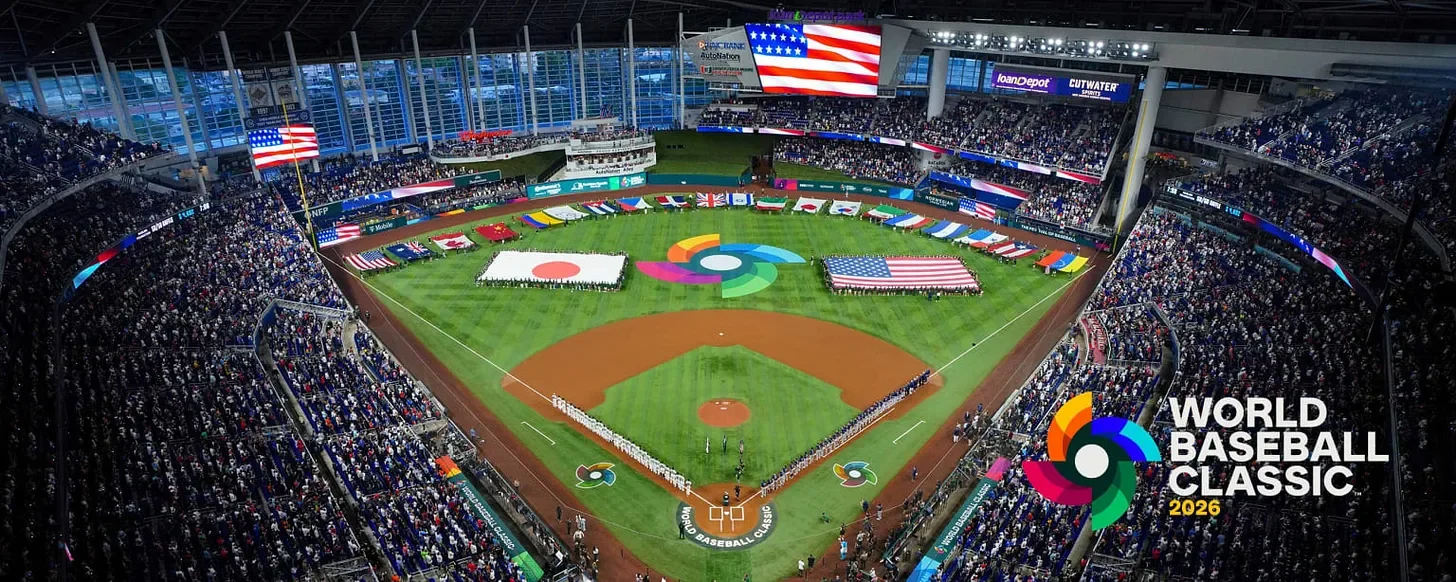
loanDepot Park, host of the WBC championship | MLB.com
The strike zone is about to get audited in real time
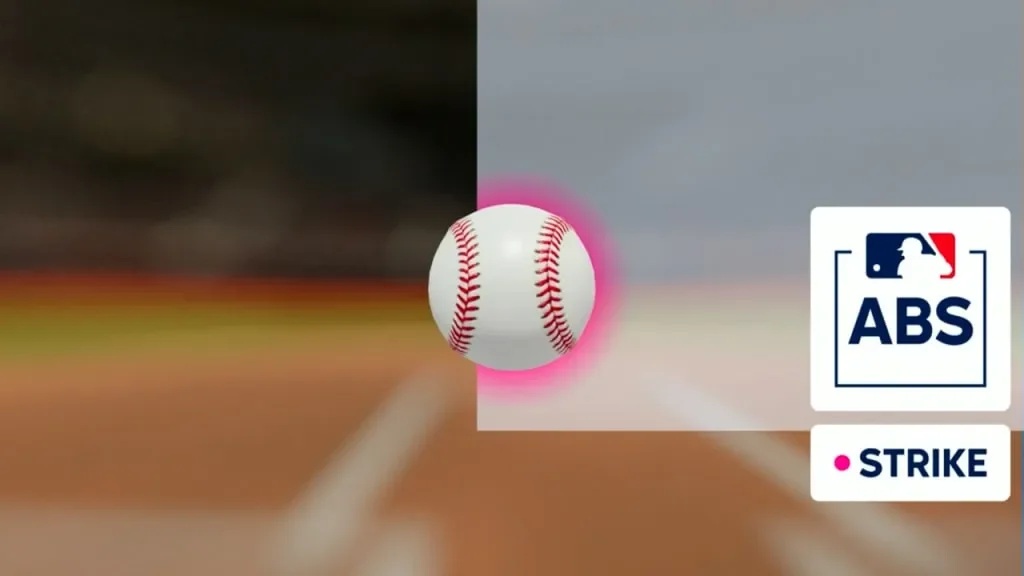
Beginning in 2026, MLB is implementing the ABS Challenge System in every ballpark, and it includes the postseason.
Here’s what makes this feel different from “just another rule tweak”:
Teams start with two challenges and retain successful ones.
Only the pitcher, catcher, or hitter can initiate a challenge, and it has to be immediate.
This will change:
Catcher value (framing still helps… but it no longer wins the count by itself)
Pitch-calling (you’ll see different patterns in full-count sequences)
Manager rhythm (a new “resource” to manage late in games)
Most importantly: it will change the fan experience. Big moments are going to come with a new layer of drama — not “what did the ump call?” but “do you challenge it right now?” That’s a different kind of tension, and it’s going to become normal fast.
You’re going to watch baseball in a new way — and it’ll matter
The way baseball is delivered to fans is shifting again in 2026, and this time it’s not subtle.
MLB announced new three-year media rights agreements with ESPN, NBCUniversal, and Netflix for the 2026–2028 seasons.
Specific differences:
NBC returns to airing regular MLB games and takes over Sunday Night Baseball.
ESPN keeps a package of games and gains the ability to sell MLB.TV subscriptions, tying streaming distribution closer to the ESPN ecosystem.
Netflix enters the live baseball tent with special-event coverage, such as the Home Run Derby, plus additional MLB content.
The practical effect: fans will have a more “modern sports” experience. Unfortunately, more platform hopping, but also more high-profile tentpole presentations. Baseball will feel less like “local cable + national game of the week” and more like the ecosystem that the NFL and NBA already live in, for better or for worse. That’s a discussion for another time.
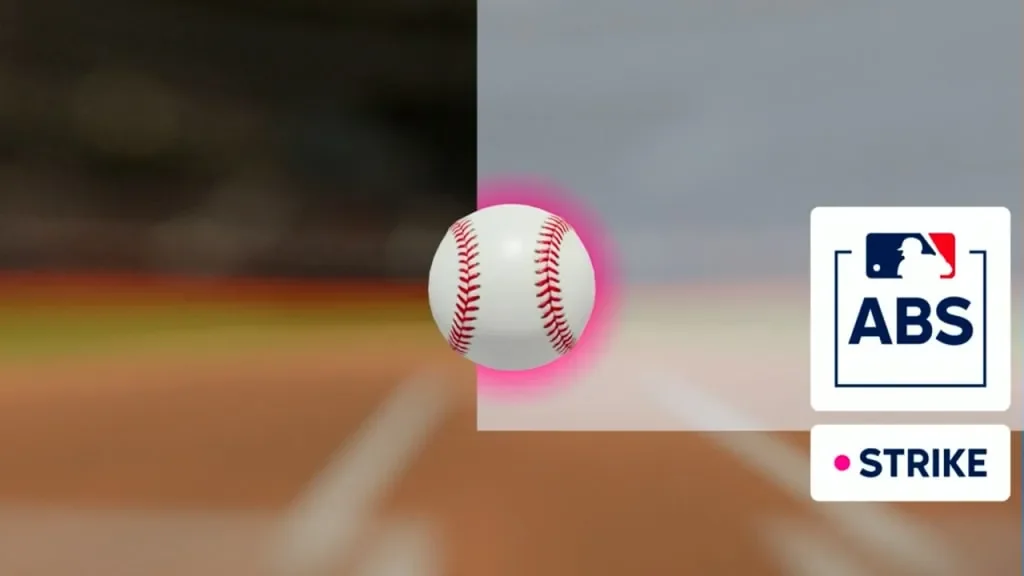
ABS system graphic detail | MLB.com
The season starts earlier — and the calendar is being bent around bigger events
MLB’s traditional Opening Day is March 26, 2026, following an Opening Night game March 25 (Yankees at Giants). MLB has described March 26 as the earliest traditional Opening Day in MLB history (excluding special/overseas openers).
Why that matters: the sport isn’t just scheduling games. It’s scheduling attention in an ever-evolving sports ecosystem.
MLB’s 2026 schedule also includes adjustments acknowledging the FIFA World Cup being hosted in the U.S., which is a signal of how competitive the sports calendar has become.
It’s another “feel” change: baseball is no longer the default summer soundtrack. It’s fighting for mindshare in a crowded entertainment world and the league is planning accordingly.
The Athletics are living a real-life “in-between” season — again
There’s no way around it: the A’s situation is one of the most uniquely modern storylines in sports. One we’ll talk about for decades.
In 2026, the A’s are again playing in West Sacramento at Sutter Health Park, and MLB has detailed additional upgrades (including a “privacy area” in each dugout for starting pitchers, plus a full field replacement and cage improvements).
And then comes the moment that will make highlight shows do a double-take:
MLB’s schedule includes the A’s hosting two series at Las Vegas Ballpark in June — June 8–10 vs. the Brewers and June 12–14 vs. the Rockies.
So yes, in 2026 you’ll have a major league team:
playing “home games” in a temporary home city
while also hosting a chunk of “home games” in the future home market
Yes, it’s unusual, yet emblematic of how fluid “home,” “market,” and “identity” can be in modern sports.
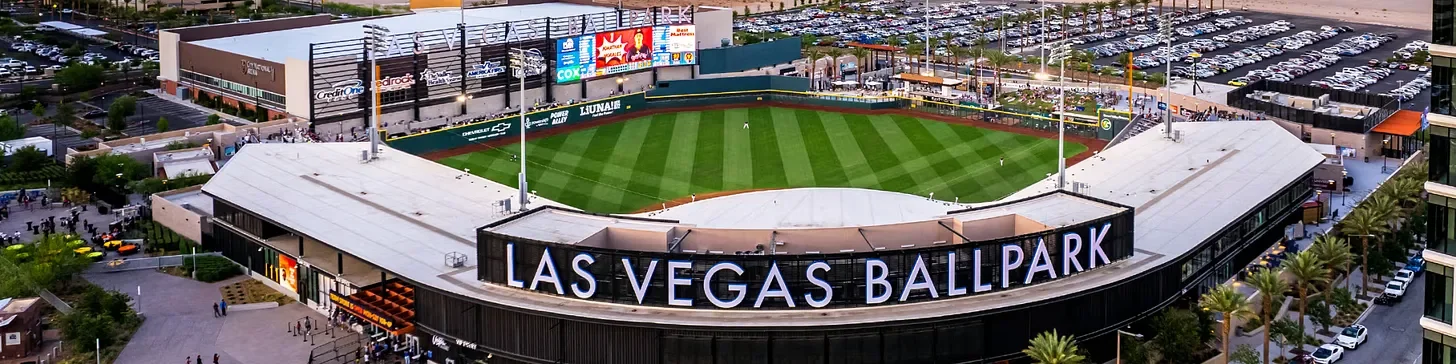
Las Vegas Ballpark, hosting the Athletics in June 2026 | MLB.com
The labor clock is ticking — and it changes how everyone behaves
Even if baseball plays a full, normal season in 2026, the year is shadowed by one date:
The current MLB labor agreement expires on December 1, 2026, at 11:59 p.m. ET.
Labor tension isn’t just a winter headline. It affects:
deadline aggression (teams push harder if they fear uncertainty ahead)
contract structures (more opt-outs, more flexibility, more hedging)
public messaging (every comment from owners/union becomes more strategic and rather exhausting)
The 2026 season is one with a potential lockout looming when all is said and done, with a salary-cap fight often cited as a flashpoint.
So yes, 2026 could be the year baseball feels like it’s playing two seasons at once: the one on the field, and the one being negotiated behind it.
Philadelphia 2026 isn’t just an All-Star Game — it’s an event
The All-Star Game is July 14, 2026, at Citizens Bank Park in Philadelphia.
And it lands in a moment that’s bigger than baseball: Philadelphia’s All-Star celebration is being tied into America’s 250th anniversary year.
That matters because MLB has increasingly leaned into “All-Star Week as festival,” and Philly is built for big event storytelling. Expect this to feel like a cultural tentpole, not just a midsummer exhibition.
2026 All-Star Game logo | MLB.com
The bottom line: 2026 won’t just be “more baseball”
With 2025 in the books, the sport already feels like it’s shifting its weight forward.
2026 will feel different because it’s not one storyline. It’s five major currents moving at the same time:
Global baseball becomes a marquee product in March (WBC).
The strike zone gains a challenge layer that changes late-game tactics (ABS).
National media and streaming reshape how fans experience “big baseball” (new rights).
The schedule is more aggressive and more “attention-aware” than ever.
A labor deadline and a franchise-in-transition add real-world gravity.
And if you’re a fan who likes the feeling that baseball is alive (evolving, arguing with itself, expanding), oh boy, is 2026 your year.